Open reference · peptides and small molecules
Research compounds, catalogued like chemistry.
Standardised records for the molecules studied in aging and metabolic research: verified identifiers from PubChem, structure, class, mechanism, research history and the preclinical and clinical literature behind each one, cited to PubMed and DOI records.
- Compound records
- 47
- Chemical classes
- 10
- Mechanisms indexed
- 12
- Papers cited
- 125
The table
Every compound, one tile each
Tiles show the registry number, molecular weight, a short symbol and the molecular formula. Colour marks the chemical class. Pick a class to highlight it.
One layout for every molecule
Anatomy of a record
A peptide, a plant polyphenol and a prescription drug are described with the same fields, so they can be read and compared the same way.
- Identifiers IUPAC name, synonyms, CAS RN, PubChem CID, InChIKey and SMILES, each with a copy button.
- Properties Formula, molecular weight and computed descriptors from PubChem.
- Literature map Which kinds of study exist: in vitro, animal, human observational and human trials.
- Five standard sections Overview, mechanism, research history, preclinical literature, and human research and status, with numbered references.
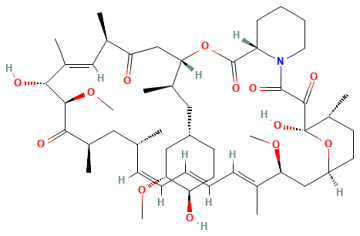 CAS RN53123-88-9
PubChem CID5284616
InChIKeyQFJCIRLUMZQUOT-HPLJOQBZSA-N
MW914.2 g/mol
LiteratureVIn vitroAIn vivo (animal)OHuman observationalTHuman trials
Open the Rapamycin record
Browse by pathway
Mechanisms
Compounds are filed under the pathways their literature centres on. Filed under a pathway means studied there, not proven in people.
- mTOR signalling 3 compounds
- AMPK & energy sensing 4 compounds
- NAD+ & sirtuins 7 compounds
- Cellular senescence 5 compounds
- Autophagy & mitophagy 5 compounds
- Mitochondrial function 18 compounds
- Redox & antioxidant defence 19 compounds
- Inflammation & immunity 17 compounds
- Glucose & insulin metabolism 15 compounds
- Tissue repair & matrix 4 compounds
- Neuroprotection & cognition 3 compounds
- Endocrine & circadian signalling 3 compounds
Learn
Read the data with confidence
Short guides to identifiers, formulas, classes and the kinds of evidence behind every record.
Glossary of terms- 01How to Read a Compound RecordA field-by-field walk through a record: registry number, identifiers, properties, class, mechanisms, literature map and references.
- 02CAS Registry NumbersWhat a CAS number is, how its check digit works, why one compound can have several, and how to look one up.
- 03PubChem CIDs, InChIKeys and SMILESThe open identifiers used in every record: PubChem compound IDs, IUPAC names, InChI and InChIKey, and SMILES strings.
- 04Formula and Molecular WeightHow to read a molecular formula, the difference between molecular weight and monoisotopic mass, and what the computed properties mean.
- 05How Compounds Are ClassifiedThe ten chemical classes used in the database, why classes are based on structure rather than effect, and how mechanisms are indexed.
- 06Preclinical and Clinical LiteratureWhat in vitro, animal, observational and trial evidence can and cannot show, and the traps to watch for in compound research.
How the database is built
-
Identifiers from PubChem
Names, formulas, weights and keys are taken from PubChem records and linked back, so every value can be checked.
-
Every claim cited
References are matched to PubMed and DOI records. Retracted papers are marked as retracted.
-
No doses, no sourcing
Records describe chemistry and published research only. Nothing here tells anyone what to take or where to get it.